
At our 25th Annual Step Up to the Plate Benefit Luncheon in April, community members gathered to learn more about the realities many local children and families face every day and how, together, we can help create stability and opportunity for Bellevue children.
At the heart of the event was a candid panel discussion featuring three voices deeply committed to the well-being of Bellevue’s children: Dr. Kelly Aramaki, Superintendent of Bellevue School District; Dr. Heather Sánchez, Chief Operating Officer of Bellevue School District; and Jennifer Fischer, Executive Director of Bellevue LifeSpring.
Together, they pulled back the curtain on a reality that many in our community don’t see and don’t expect to find in Bellevue.
The Numbers Behind the Need
More than 2,000 local families are living in poverty in Bellevue. That translates to more than 5,000 students—enough children to fill nearly eight elementary schools—who don’t have reliable access to food. And more than 700 of those students are experiencing some form of homelessness, without a stable place to call home. These aren’t statistics from a distant city. This is Bellevue.
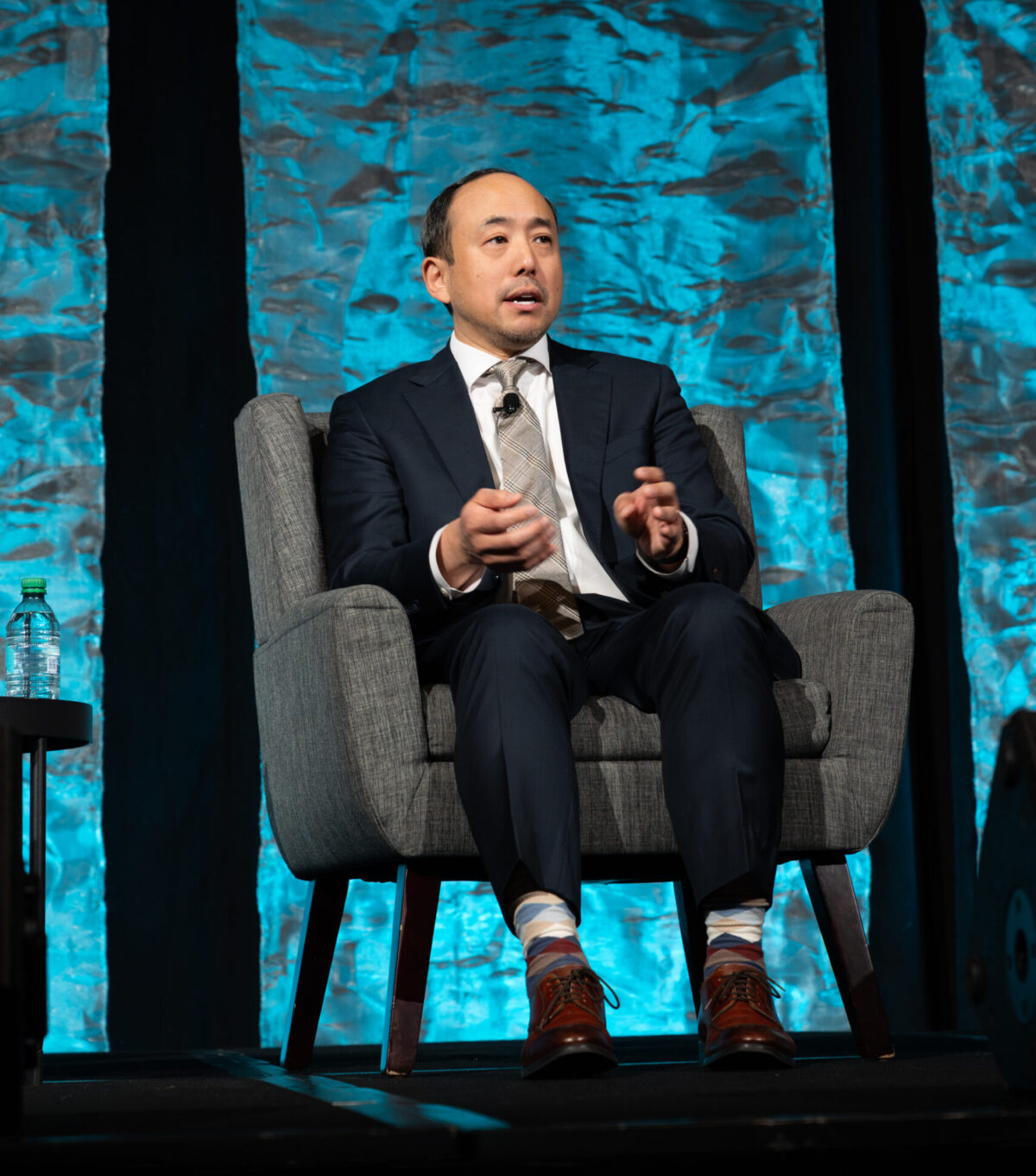
Dr. Aramaki helped the audience understand what “living in poverty” actually means here in Bellevue.
To qualify for the federal Free and Reduced Meal Program, a family of four can earn no more than $60,000 a year. But as Dr. Aramaki pointed out, anyone who lives here knows that $60,000 doesn’t come close to covering the basics in Bellevue.
Experts estimate that a family of four actually needs to earn around $150,000 a year to meet fundamental needs like housing, food, healthcare, and transportation.
That’s a $90,000 gap between what the government defines as poverty and what it actually costs to live here. And if a family earns even $1 above the federal threshold, their child loses access to free meals entirely.
“Even though this city looks like a thriving city full of affluence,” Dr. Aramaki said, “we have so many kids and families in need of the most basic things like food, housing, and medical care.”
Jennifer Fischer added that this kind of need is often invisible: “Living in poverty and hunger isn’t always visible. You can’t see when a family is going through financial instability.” She also noted that 50% of the families Bellevue LifeSpring serves are single-parent households and that Bellevue LifeSpring doesn’t turn anyone away, including families who fall just above the poverty line.
The Fragility of Stability
One of the most eye-opening themes of the panel was how quickly a family’s stability can unravel and how little it takes to push a family already stretched thin into crisis.
Dr. Sánchez described the precarious reality facing families living paycheck to paycheck: “If your car breaks down and you can’t get to work, if you can’t find affordable childcare, if you have a family member who gets sick—it’s a very precarious life, and any one small thing can push a family into homelessness.”
These aren’t extraordinary circumstances. They’re the ordinary challenges of life, the kind most of us navigate without a second thought. But for a family already stretched to the limit, one of these moments can change everything.
Dr. Sánchez was also clear about what’s possible on the other side: “Making efforts to interrupt those barriers, as Bellevue LifeSpring does, can take a family from a state of crisis to a place where they can breathe, look forward to the future, and recover.”
The Shadow of Homelessness
The panel also addressed what it means, beyond food and shelter, for a child to experience homelessness.
Dr. Sánchez shared that students experiencing homelessness face barriers at school, miss learning opportunities, and are less likely to graduate. And the consequences compound: a student who doesn’t graduate is four and a half times more likely to face homelessness or significant hardship as an adult.
But the impact goes beyond statistics. “There is also the story of that student’s life,” Dr. Sánchez said. “The barriers they experience in terms of falling behind in learning, their own self-esteem, and identity—all of those things are dramatically impacted by experiencing homelessness and are harder to quantify. The experience for the student, and how they see themselves in the world, will impact them for the rest of their life.”
Moving from Crisis to Stability: The Family Support Program
So what does it look like when we actually interrupt that cycle?
Jennifer shared the inspiration behind Bellevue LifeSpring’s decision to add a new Family Support Program to their list of services. The team had noticed that families who had already received support were returning the following year—a sign that one-time assistance, while critical, wasn’t always enough to create lasting change.
With the Family Support Program, the Bellevue LifeSpring team works one-on-one with families to set personalized goals, whether that’s updating a resume to pursue a better job, taking steps toward learning English, or navigating a path to greater financial independence.
“The results of the program have been unbelievable,” Jennifer said. “Just how one small thing, like even obtaining a copy of a GED, can get a family completely turned around.”
Dr. Aramaki echoed why this kind of support matters so much: “When your family is undergoing significant stress, everything is harder. Everything takes longer. There is very little bandwidth when you’re in survival mode. What is so great about Bellevue LifeSpring’s new Family Support Program is that they offer families someone to walk alongside them.”
Gratitude
We are deeply grateful to Dr. Kelly Aramaki, Dr. Heather Sánchez, and Jennifer Fischer for sharing their time, insight, and passion with our community at the luncheon. Their words brought both urgency and hope to a conversation that our community needs to keep at the forefront.
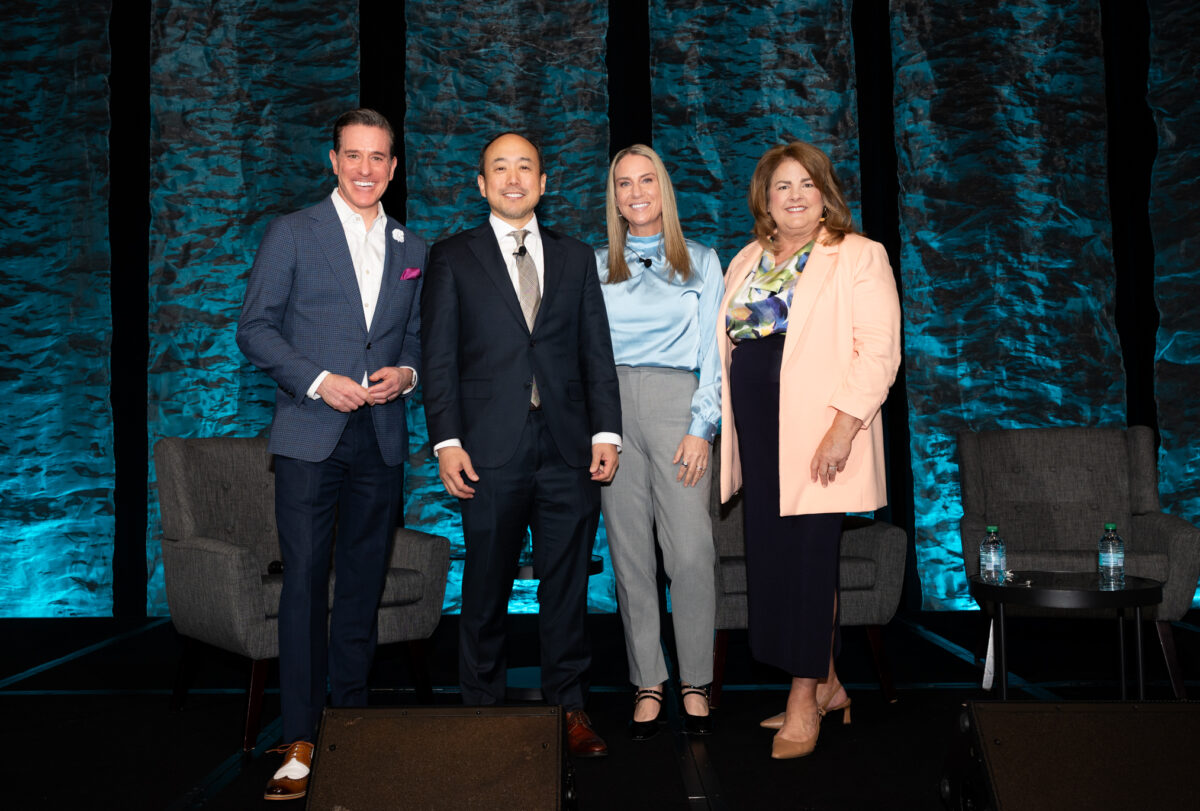
And to every donor, volunteer, and community member who joined us at Step Up to the Plate this year, thank you. Your presence, your generosity, and your commitment to the families in our community are what make the work of Bellevue LifeSpring possible. Together, we are helping families move from crisis to stability, one step at a time.
Join your neighbors and invest in preventing hunger and homelessness in Bellevue today.